New York Healthcare Providers Face Challenges in Changing Immigration Policy
10.22.2026

Recent changes to federal immigration policy on visas, international travel and regulatory compliance are causing confusion and uncertainty for employees and their employers.
The New York State Bar Association’s Health Law Section focused on the implications for attorneys working in the healthcare industry in a recent continuing education course. The course was presented by Cianna Freeman-Tolbert, a health law expert from Whiteman Osterman and Hanna in Albany.
Freeman-Tolbert reported that more than 370,000 non-citizens work for a healthcare provider such as a hospital, home care provider or nursing home in New York State.
“Immigration impacts everyone from the technician to the occupational therapist to the surgeon,” she said. “Your organization may be impacted with a loss of staff or hefty fines if you are not prepared.”

Changes to Work Visas
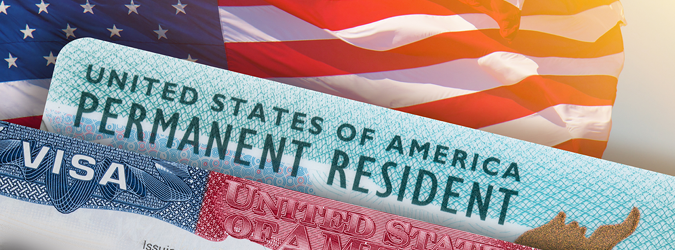
Most international, college educated health care professionals obtain the H1B visa to work in the United States. This year, foreign workers applying to work in the U.S. will need to pay $100,000 for an H1B visa application.
Freeman-Tolbert says the fee applies to new applicants and not those who are traveling outside the U.S. who already have the visa and wish to reenter the country. She warns that health systems and research facilities may think twice about hiring a physician or researcher from abroad who needs a work visa.
Medical students who wish to work in America after graduation must pay $70,000 for a one-year work visa. Students must apply for the visa through the U.S. Citizenship and Immigration Services office and shoulder the cost. Previously, college staff were able to help students who were applying.
The rationale, Freeman-Tolbert explains, is to move the visa process directly to the federal government to track applicants better. Both visa fees are being challenged in the courts and remain under injunction.
Department of State Pauses Visa Processing
To add more barriers to the visa process, in August 2026, the U.S. Department of State paused all processing of immigrant visas in consulates and embassies, citing a need for additional staff training.
There is some processing happening, but Freeman-Tolbert said it has been a severe reduction in the workflow. She also reminded the attorneys that all visa applicants will undergo enhanced vetting of all social media accounts, which must be made accessible to the public. Failing to make an Instagram or Facebook account public will slow the approval process further.

Prepare Contingencies for International Travel and Work
Healthcare providers and other businesses that employ foreign nationals must prepare contingency plans for employees traveling abroad, Freeman-Tolbert warns. Customs and Border Patrol have more latitude when it comes to seizing and searching electronic devices and laptops at a point of entry to the United States. If an employee is detained for national security reasons, attorneys need to be ready to respond.
“When someone leaves the country, make sure you coordinate with your department head that you may be gone longer than you plan,” she advises. “You need to be proactive. If you are doing international travel, you need a policy.”
Plan for the ICE Visit Now
Freeman-Tolbert advises attorneys to prepare their clients now for a visit from Immigration and Customs Enforcement saying it’s not a matter of if they are coming but when.
“In a health care organization, when ICE comes, they are going to serve a notice of inspection and they will likely not have masks on,” she said. “You need to have a protocol in place for who gives consent for them to enter. You can’t have one front desk worker look at a warrant and let them in.”
ICE access is limited to designated public spaces in a healthcare setting such as a waiting room in the Emergency Department. Clear signage showing which areas are public and which are private or staff only will protect patients and employees.