Tackling Aging and Cognitive Decline in the Legal Profession
6.30.2025
What should be done when a lawyer starts to forget important information? What happens when that interferes with representing clients or running a firm? Does that mean it is time to stop practicing law?
The New York State Bar Association tackled the difficult issue of aging-related cognitive decline in lawyers and the effects on the profession in a recent Continuing Legal Education course.
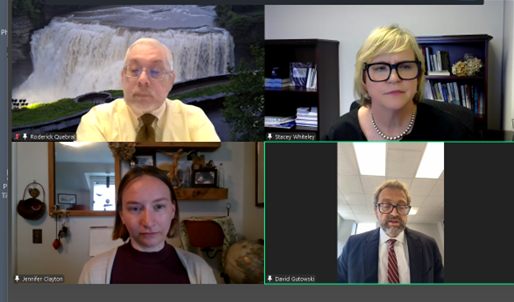
The speakers were:
- David Gutowski, partner at Zdarsky, Sawicki & Agostinelli and immediate past chair of the Lawyer Assistance Committee.
- Roderick Quebral, attorney and representative for respondent attorneys in grievance investigations and disciplinary proceedings.
- Stacey Whiteley, director of the New York State Bar Association Lawyer Assistance Program.
- Jennifer Clayton, manager of the Attorney Well-Being program.
“Mild cognitive impairment has a direct effect on our ability to practice the profession,” said Gutowski. “It’s characterized by frequently losing things, difficulty finding words, forgetting appointments or events. These symptoms fall between normal aging and dementia, but they can affect job performance, particularly in a cognitive profession like practicing law.”
Furthermore, cognitive decline can put clients at risk and damage the reputation of the profession.
Whiteley said that calls to the Lawyer Assistance Program about cognitive issues are usually from an impaired lawyer’s colleagues who have noticed increasing forgetfulness – like getting lost on the way back from a familiar lunch spot – or emotional volatility – such as yelling at clients.
“In all the years I’ve been there, it’s never come from the lawyer themselves that’s experiencing the issue,” she said. “It’s always from someone that works with them.”
To that end, Whiteley suggests starting these conversations empathetically, early in the day, and with concrete, specific examples of concerning behaviors. She also recommends connecting with other people, like family members, who may be seeing these behaviors elsewhere in a lawyer’s life and are willing to provide help and support.
In addition, the Lawyer Assistance Program has resources and support programs to help both affected attorneys and their colleagues.
“The goal for a lot of the programming we do is just to acknowledge that these conversations are hard, and to try to demystify them,” said Clayton. “The more we talk about it, the less hard it feels. So it’s really great to just open those doors and let the person know that you care about them – both professionally and personally.”
While the hope is to get attorneys the help and support they need, there is a path for disbarment if necessary.
Quebral discussed whether attorneys have an ethical obligation to report colleagues for a violation of the rules of professional conduct. For example, managers and partners are responsible for the attorneys under their direct supervision.
“We’re talking about their fitness as a lawyer,” said Quebral. “Their ability to be basically competent. There is no real guidance a lot of times under this rule about what constitutes a substantial question – especially as to fitness. But it is clear to think of situations where somebody who is really having cognitive issues related to aging is such a danger. Really, that’s the touchstone. Are they a danger to the public in general, or are they damaging your clients? That might be a situation where a report is required rather than just permissive.”
The program was sponsored by the New York State Bar Association’s Lawyer Assistance Committee, the Committee on Attorney Well-Being and the Committee on Law Practice Management. View the full session here.