Recognizing Problem Gambling and the Ethical Obligations of Lawyers
6.26.2026

Gambling can take many forms from lottery tickets and bingo to casino gaming and prediction markets. The recent webinar “Problem Gambling 101 and Ethical Obligations of Lawyers” sponsored by the New York State Bar Association’s Committee on Attorney Well- Being detailed the signs and symptoms of problem gambling, plus the ethical responsibilities lawyers have to protect clients and report possible attorney misconduct.
Problem gambling arises when a player cannot set and maintain limits on the entertainment in the way it was intended. Like alcohol and substance misuse, problem gambling can impact your ability to practice law, putting you at risk of suspension or disbarment.
The rate of problem gambling is on the rise according to the New York Council on Problem Gambling and can be connected to the increased access to gaming at casinos, off track betting parlors and online platforms. New York has been home to casinos on tribal lands since 1993, which led to the expansion of commercial casinos in 2013. The legalization of sports betting in 2022 further expanded access to gaming.
New research on the reach of online gambling is sobering. A 2026 survey by American Sport Fanship at the Siena Research Institute found that nearly a third of Americans have an online betting account. Looking at men ages 18 to 49, over half of them have an online betting account. The research also found that 60% of those surveyed had chased a bet hoping to win their money back.
“We all have access to gambling 24/7. We help people who wake up in the middle of the night to find live a sporting event on the other side of the world that they can bet on,” said Catherine Mibaum of the New York Council on Problem Gambling.
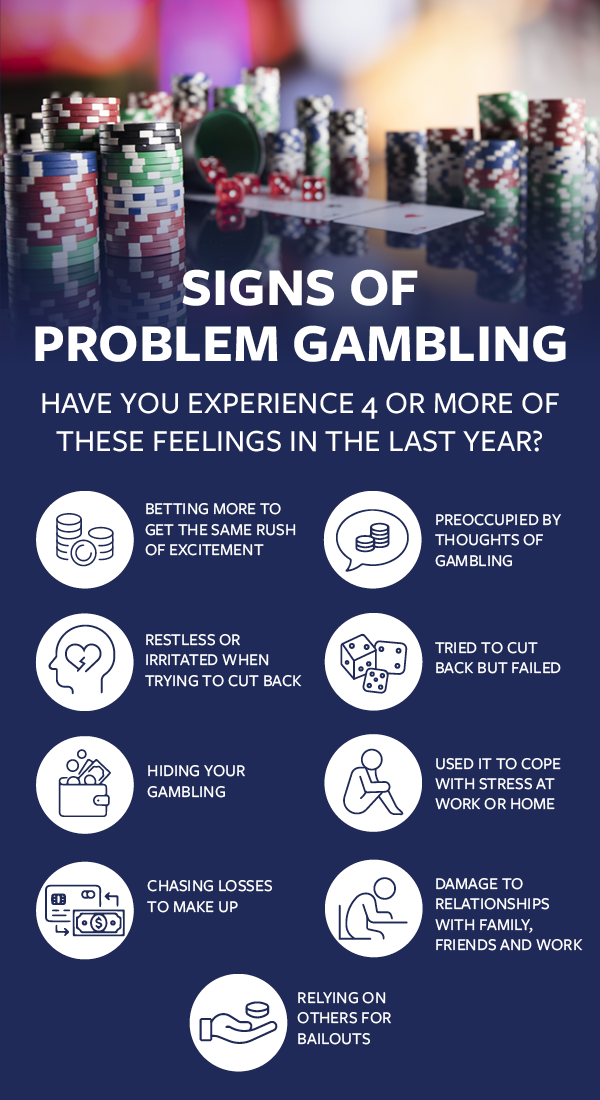
Mibaum said most of her clients with a gambling disorder have a co-occurring mental health or substance use issue like alcohol, drug use or depression.
“It’s not just a financial concern. The problem gambler could be facing personal or professional stress that is pushing them to gamble,” she adds.
“You spent time and money to get a law license. If you are suspended or disbarred, what are you going to do? You have families that rely on you and gambling puts your law license at risk,” Bush said.
Bush shared an anecdote of an attorney heading to the Saratoga Race Course with money taken from a client’s escrow account, with the anticipation that money is coming into the firm soon from a settlement. The money from the settlement does not come in to replace the withdrawal and the client wants their money. Another example would be using escrow accounts to pay personal expenses like your mortgage as a stop gap due to gambling debts. Bush also warned that a bounced escrow check will trigger a review and investigation by the Attorney Grievance Committee for which you will need to hire counsel for your own defense.
“If you are using client moneys to gamble, you are violating ethics rule 1.15. You also have an obligation to communicate with your clients under rule 1.4. Gambling is no different than an alcohol or drug addiction because you are not paying attention to what is going on with respect to your practice which gets you into trouble,” he said.
Bush went on to describe the cascading effect of gambling debt when attorneys take on extra work in areas of law in which they don’t have knowledge to make up for losses.
“You might think taking a matrimonial case where you get paid up front will help but taking a case you can’t handle or ignoring it will only add to your problem. Rule 1.1 says don’t get involved in an area you know nothing about. Best advice – stay in your lane.”
Lastly, Bush reminded attorneys of their obligation to report the professional misconduct of others under Rule 8.3. He acknowledged that it’s a difficult situation to handle, especially if the person under suspicion is in a supervisory role. Encouraging colleagues to seek help with problem gambling at its early signs is crucial.
The NYSBA Lawyer Assistance Program offers free confidential support and trusted referrals. You can call the LAP hotline (877) 772-8835 any day of the week.
“It’s a tough business, we understand that. There is no cost for our program,” said Lawyer Assistance Program Director Stacey Whiteley. “Asking for help is not something to be ashamed of – it’s a sign of strength.”
This seminar was the first of a three-part series to educate the legal community about problem gambling and how to get help. Stay tuned for the next event in August which will focus on mobile sports betting and prediction markets.